

Ashwagandha vs rhodiola is one of the most common supplement comparisons people make when they are trying to handle stress, improve focus, or feel more steady under pressure.
And it makes sense.
Both are often grouped under the same umbrella. Both are talked about as “adaptogens.” Both are marketed as tools for stress support. So at first glance, they can seem interchangeable.
But in real life, they are not.
Ashwagandha usually makes more sense when the problem feels like constant tension, poor recovery, restless sleep, or a body that never fully settles down. Rhodiola tends to come up when the bigger issue is mental fatigue, flat motivation, weak focus, or difficulty performing under pressure.
That is why the smart question is not: Which one is better?
It is: Which one is a better fit for what I am dealing with right now?
Ashwagandha vs Rhodiola: Which One Makes More Sense for Your Goal?
In practical terms, the Ashwagandha vs Rhodiola decision is less about which supplement is stronger and more about which one fits your current stress pattern better.
Quick Verdict
Choose ashwagandha if:
- stress feels like a constant background state
- your sleep feels light, broken, or not truly restorative
- you feel tense for no clear reason
- you need support that helps you settle, not something that pushes you harder
Choose rhodiola if:
- your main problem is mental fatigue
- your focus feels weak and your thinking feels slower than usual
- you need better cognitive performance under pressure
- you feel drained more than anxious
If you are thinking about taking both, the better starting point for most people is simple: start with one first. That makes it much easier to tell what is helping, what is not, and whether you actually need the second supplement at all.
Ashwagandha vs Rhodiola: What Is the Real Difference?
The difference does not start with the plant. It starts with the type of problem you are trying to solve.
If your body feels wired, your sleep is not truly restful, and stress shows up as tension, irritability, or poor recovery, then ashwagandha is usually the more logical place to look.
If your bigger issue is brain fog, low drive, mental exhaustion, and difficulty staying sharp, rhodiola is usually the more relevant option.
That is the practical distinction.
Ashwagandha is generally thought of as the calmer, steadier option.
Rhodiola is usually seen as the more mentally energizing one.
That does not mean one is stronger and the other is weaker. It means they tend to be used for different stress patterns.
Quick Comparison: When Does Ashwagandha Make More Sense, and When Does Rhodiola?
| Criteria | Ashwagandha | Rhodiola |
|---|---|---|
| General direction | More aligned with calm, balance, and ongoing stress support | More aligned with mental energy, alertness, and performance under pressure |
| When you may notice an effect | Usually takes more consistent use over several weeks | Some people notice it sooner, but the response is not consistent for everyone |
| Best-fit scenario | Chronic stress, difficulty unwinding, light or unrefreshing sleep | Mental fatigue, low focus, pressure that demands mental sharpness |
| Relationship with sleep | Often a better fit when sleep quality is part of the problem | May not suit people with sensitive sleep or those easily overstimulated |
| Relationship with energy | Not usually thought of as a “stimulating” supplement; more about steadiness | Often chosen when the goal is clearer mental energy and better cognitive drive |
| Stress response | May be more relevant when the body seems stuck in a prolonged stress pattern | More often considered when the issue is fatigue and performance strain |
| Focus and cognitive performance | May help indirectly when stress is the reason performance has dropped | More commonly used for mental sharpness, though expectations should stay realistic |
| Physical performance angle | May fit better when recovery and overall stress load are part of the picture | May appeal more when mental stamina under pressure is the main goal |
| Main caution points | Thyroid concerns, pregnancy/breastfeeding, certain medications, rare liver concerns | Sensitive sleep, possible medication interactions, limited long-term data |
This table is useful for quick comparison, but it should not be the only thing guiding your decision. Product quality, dosage, timing, medication use, and your overall health picture can all change what makes sense for you.
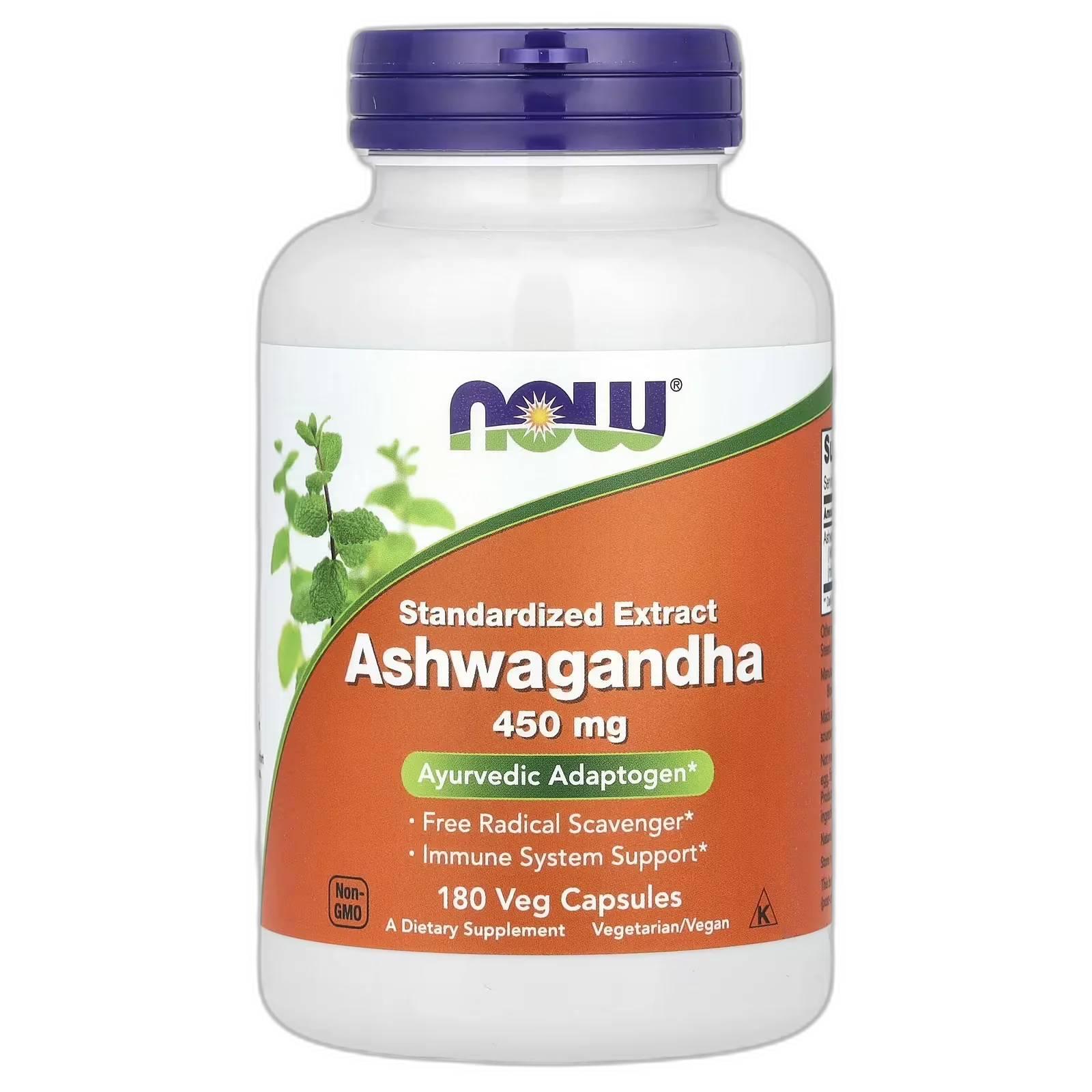
When Ashwagandha Is More Likely to Be the Better Fit
Ashwagandha usually makes more sense when your day feels something like this:
- you sleep, but you do not wake up feeling restored
- stress seems present all the time
- your nervous system feels tight and reactive
- you want support that helps you feel more balanced, not more activated
This does not mean ashwagandha works like a sedative. That is not the point.
When it suits someone well, it often feels less like a jolt and more like a gradual shift toward better steadiness. Some people describe that as calmer stress levels, better sleep, or a greater ability to handle daily pressure without feeling as overwhelmed.
It is also not the kind of supplement most people should judge after one or two doses. In real use, it tends to make more sense when taken consistently and evaluated over time.
When to be more careful with ashwagandha
“A natural supplement” does not automatically mean “safe for everyone.”
Ashwagandha deserves more caution if:
- you have a thyroid condition
- you take medication for blood sugar, blood pressure, or thyroid function
- you use sedatives or immunosuppressive drugs
- you are pregnant or breastfeeding
- you want to use it casually without paying attention to how your body responds
That does not make it a bad option. It just means it should be treated like a real supplement with real considerations, not as a harmless wellness trend.
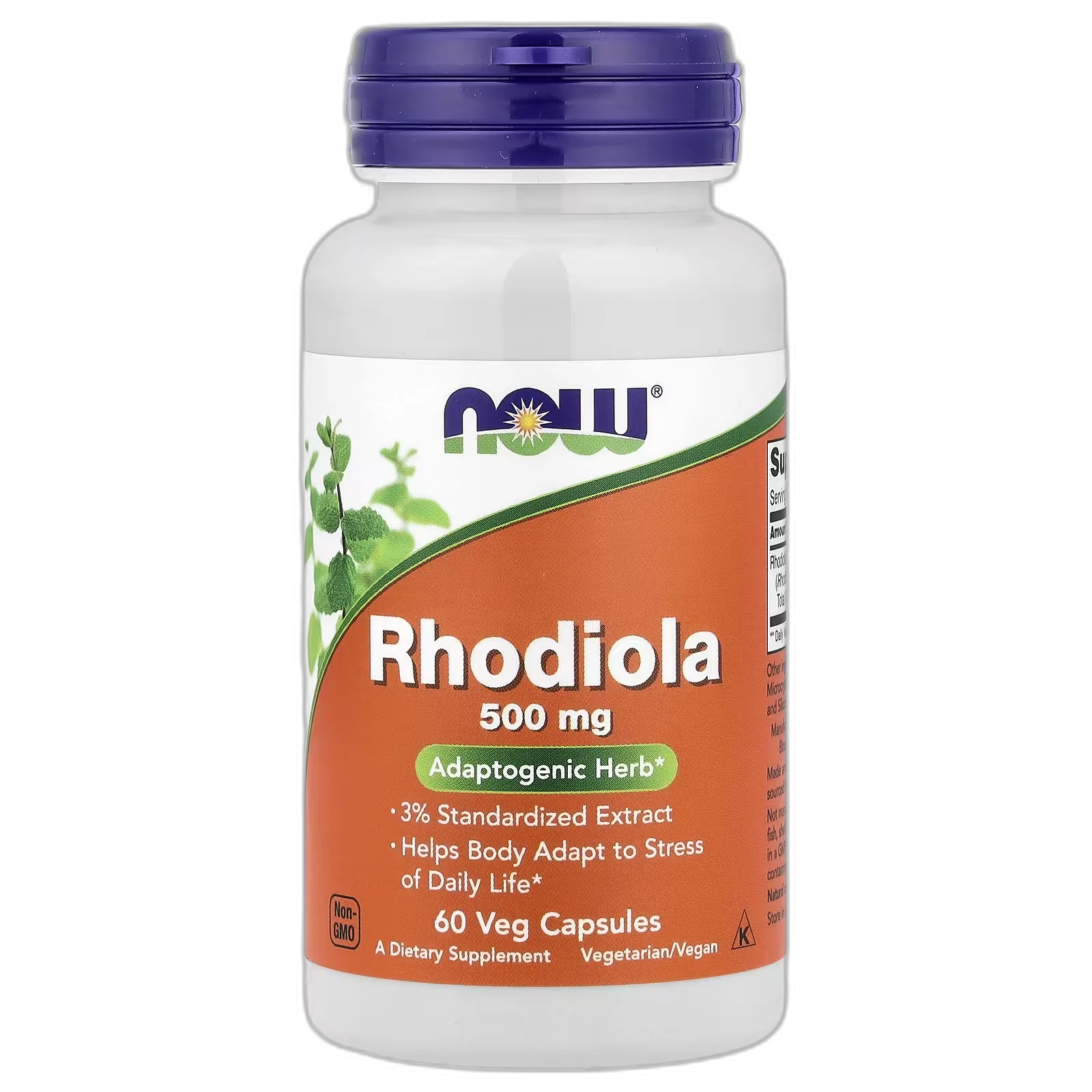
When Rhodiola Is More Likely to Be the Better Fit
Rhodiola tends to make more sense when the core problem is not that you feel overstressed in a wired, tense way, but that you feel mentally worn down.
It is often a better fit for people who say things like:
- my brain feels tired before my body does
- I can get through the day, but not sharply
- I need better mental performance, not more calm
- I do not feel especially anxious, just drained
That is where rhodiola tends to stand out conceptually.
It is often the more appealing option when someone wants better mental stamina, cleaner focus, or a little more resilience during demanding periods. But it still needs to be presented honestly: it is not the kind of supplement that should be framed as a guaranteed cognitive fix.
A realistic expectation is better than an inflated one.
When to be more careful with rhodiola
Rhodiola deserves more caution if:
- your sleep is already fragile
- you are sensitive to anything that increases alertness
- you take medications and have not checked for interactions
- you are expecting a dramatic effect just because it is marketed for energy
It may be a better match for the mentally depleted person than for the already-wired person. That difference matters.
How to Choose Without Overcomplicating It
In practice, the decision is often simpler than people expect.
If what you need most is to settle down, start by looking at ashwagandha.
If what you need most is to get your mental edge back, start by looking at rhodiola.
A useful question to ask yourself is this:
Is my real issue that stress never turns off, or that mental fatigue never lets me perform at my best?
If it is the first, ashwagandha is usually the closer fit.
If it is the second, rhodiola is usually the closer fit.
That one question often makes the comparison far easier.
Common Mistakes People Make When Comparing Ashwagandha and Rhodiola
The biggest mistake is looking for the “best” supplement in general.
There usually is no best supplement in general. There is only the supplement that makes more sense for the pattern you are actually dealing with.
A person with ongoing stress, poor sleep, and a body that feels tense all day may not get much value from something chosen mainly for mental sharpness.
And someone who feels mentally flat, cognitively tired, and low in drive may not be looking for calm above all else.
Many disappointing supplement experiences start there: not with a bad product, but with a mismatched choice.

It is easy to see why people consider it.
One seems better suited to calm and recovery.
The other seems better suited to mental performance and daytime resilience.
So the idea of using one earlier in the day and the other later sounds attractive.
But in real-world decision-making, most people are better off starting with one.
Why?
Because when you start two supplements at the same time, it becomes much harder to tell:
- which one is helping
- which one is causing side effects, if any
- whether you actually need both in the first place
A more intelligent approach is to start with one, give it enough time, and evaluate clearly before adding complexity.
How to Choose a Good Product in the First Place
The plant name is not the whole story.
In many cases, the real issue is not “ashwagandha vs rhodiola.” It is whether the product itself is any good.
A disappointing result can come from:
- a weak extract
- unclear labeling
- unrealistic dosing
- cluttered formulas with too many unnecessary ingredients
- a brand that says a lot but explains very little
So when you compare products, do not stop at the ingredient name on the front of the bottle.
Ask better questions:
- Is the brand transparent?
- Is the dosage clear?
- Does the formula make sense?
- Is this product aligned with my actual goal?
- Am I buying based on fit, or just hype?
That is where SelHealth becomes useful. The value is not just in listing supplements. It is in helping people connect the product to the goal, the evidence, the quality, and the real-life use case.
Final Takeaway
If your stress feels constant, your sleep is not restorative, and your system feels like it never fully relaxes, ashwagandha is usually the closer fit.
If your biggest problem is mental fatigue, low focus, and flat drive under pressure, rhodiola is usually the closer fit.
The smarter choice is not the one that sounds stronger.
It is the one that fits your actual situation more closely.
That is what leads to better decisions in supplements more often than anything else.
That is why an honest Ashwagandha vs Rhodiola comparison should focus on fit, not hype.
Frequently Asked Questions
Still Not Sure Which One Fits Your Goal?
Use SelHealth’s smart supplement guidance system to narrow down the best-fit options based on your goal, use pattern, and tolerance profile.
Then move into the supplement directory to compare formulas, strengths, and positioning before you decide.
Sources
Reviewed against reputable health and medical references to support clarity, balance, and responsible supplement guidance.
National Center for Complementary and Integrative Health (NCCIH) — Ashwagandha: Usefulness and Safety
NIH Office of Dietary Supplements (ODS) — Ashwagandha: Is it helpful for stress, anxiety, or sleep?
National Center for Complementary and Integrative Health (NCCIH) — Rhodiola: Usefulness and Safety